From the workshops
The Fellow Gallery
Every Fellow Knick and Fellow Knack here earned their badge in one of our workshops. This is what actually happens in the room — real crafts, real badges, real curiosity.
How badges work →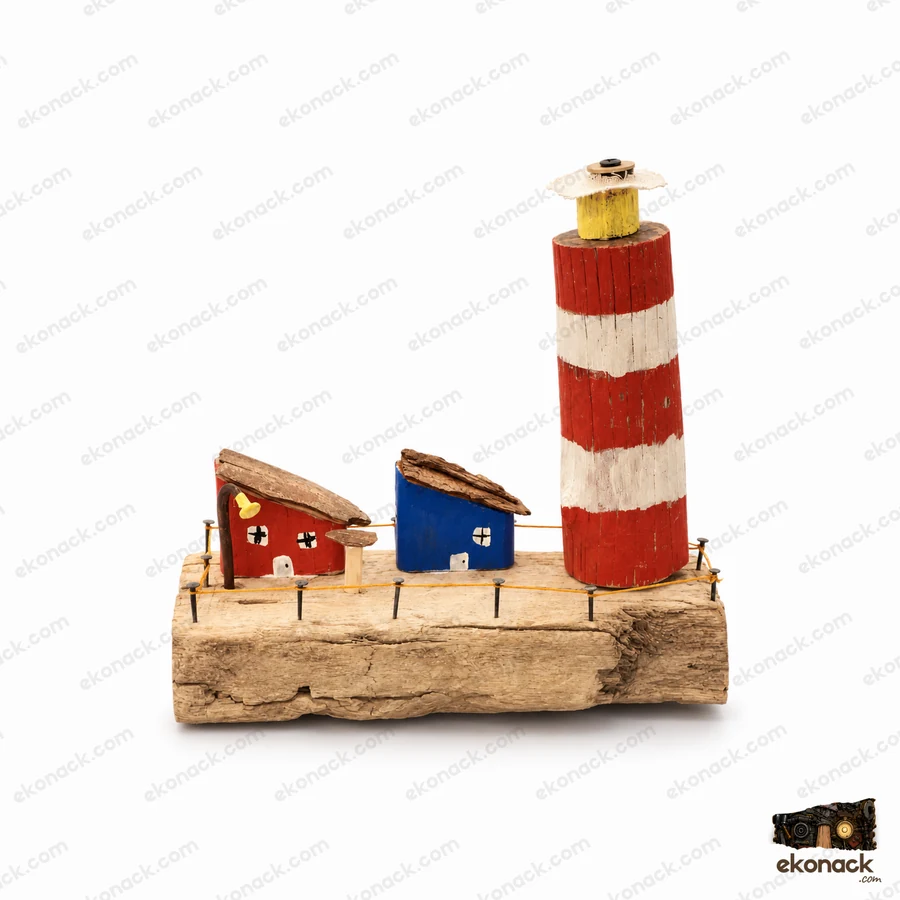
Fellow Knack
A Shoreline Planned for Living
Varsh R · Tiny Coastal Village
Varsh's coastal scene feels both imaginative and thoughtfully planned. His lighthouse rises tall above the shore, but what makes the creation especially interesting is that he hasn't treated it as a single object standing alone. He has imagined life around it. The two coastal homes sit nearby, giving the scene a lived-in feeling, while the small umbrella-like shelter suggests a place where people might pause, rest and enjoy the shore. A bent nail becomes a lamp, adding both character and function. Even the little room at the top of the lighthouse, shaded by a piece of cloth, shows how carefully he has thought about structure and use. What stands out most is his sense of organisation. Every element feels placed with intention, turning the miniature into a small but believable coastal setting.
The Science Inside
Design meets Functional Planning: Varsh's creation explores how a space can be arranged to serve different purposes. The lighthouse introduces height, visibility and structure, while the nearby homes create a sense of settlement and scale. The shaded resting spot and lamp-like nail show how simple materials can be reimagined into useful features. The cloth shade also introduces the science of sunlight and shadow, and how shelter can reduce direct exposure to sunlight.

Fellow Knick
A Lighthouse That Welcomes You In
Jaasritha · Tiny Coastal Village
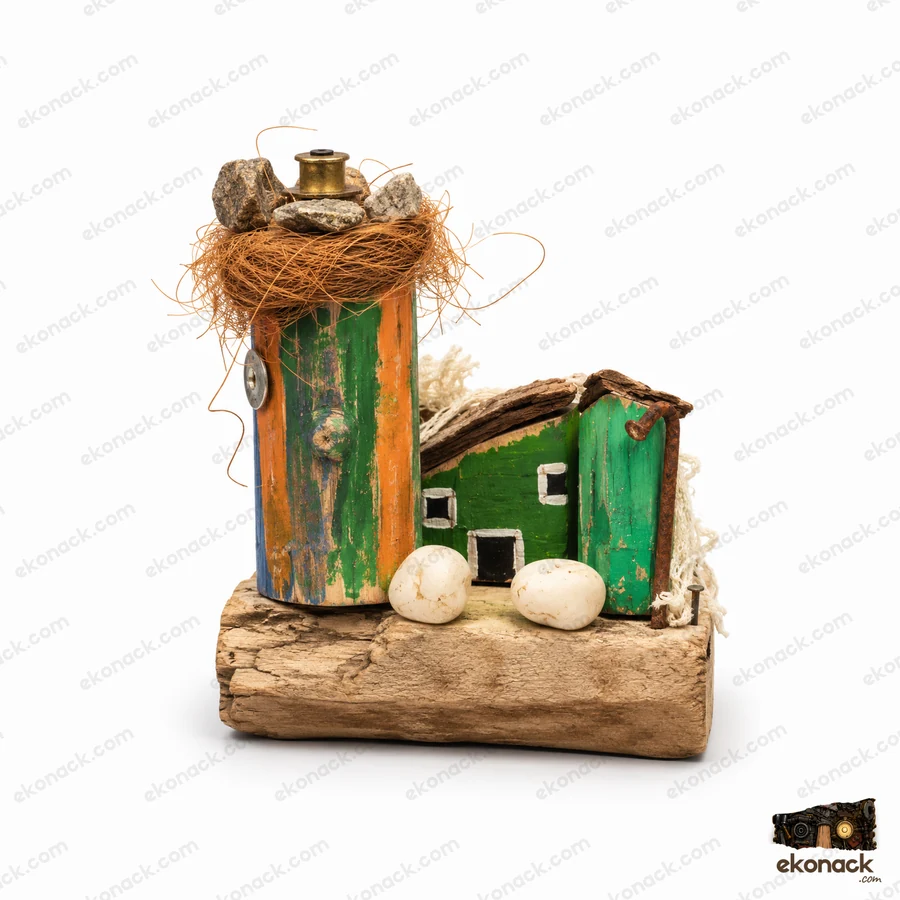
Jaasritha didn't stop at building a lighthouse. She imagined the little world around it, with houses nearby and a place for people to step outside and visit the tower. She gave her lighthouse a lamp, wrapped its top in a nest-like circle of natural fibres, and arranged stones around it. A little net adds another layer of detail, while shades of green bring the buildings together. What makes her creation especially lovely is how confidently she shared the idea behind it. Every little addition mattered to her, and she was delighted to tell us about it. We see a young maker discovering that imagination becomes even more wonderful when it can be built, explored and shared.
The Science Inside
Lighting meets Architectural Design: Jaasritha's lighthouse introduces the purpose of elevated lights in coastal navigation. The lamp at the top invites questions about visibility and how height helps light travel farther. Her arrangement of houses explores pathways and spatial planning, while the stones and natural fibres show how different textures and materials can bring detail and character to a miniature environment.
Fellow Knack
The Tower of Power and Possibilities
Deva S · Tiny Coastal Village
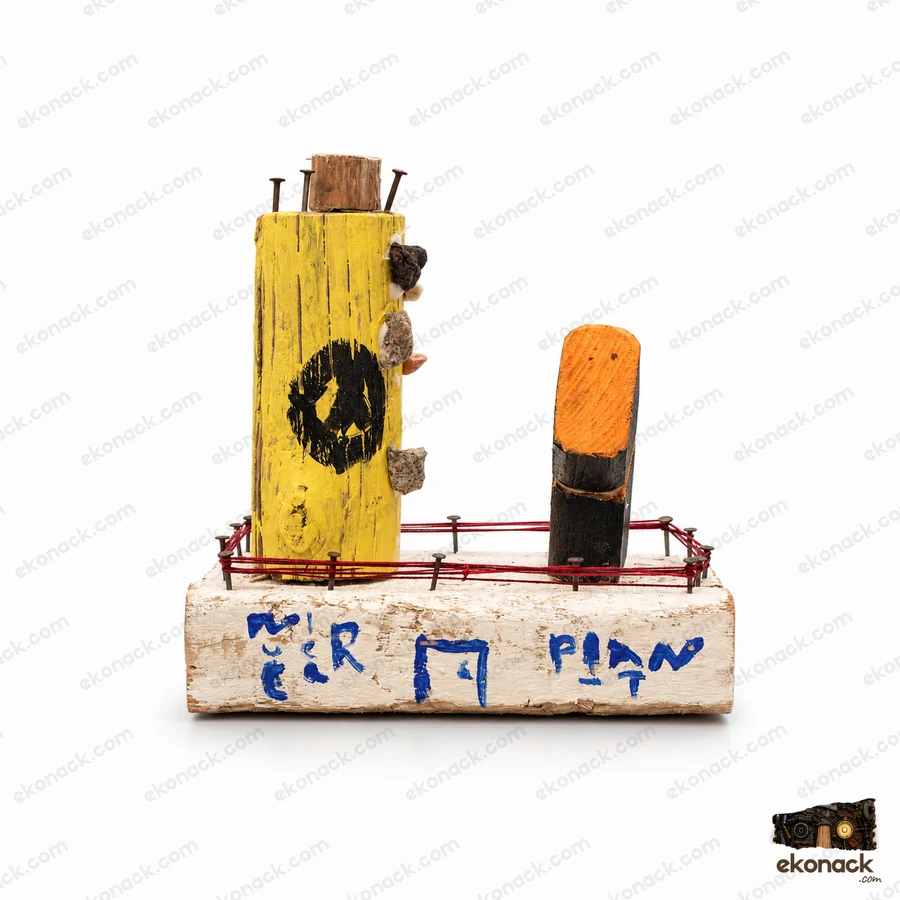
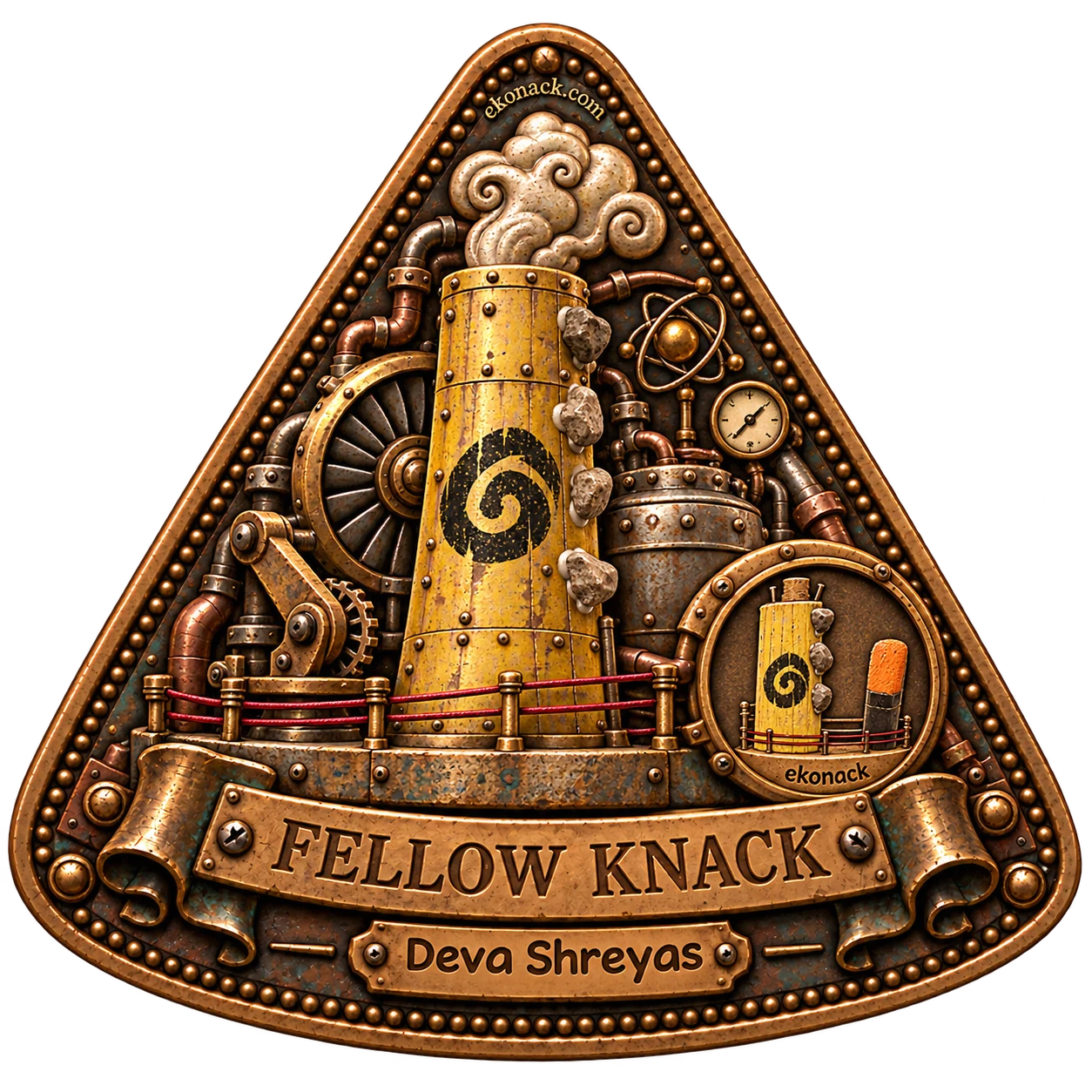
Deva Shreyas saw more than pieces of wood. He imagined a nuclear facility, complete with a building where the staff operate, a towering structure with stones for adventurous climbers, and a launcher designed to turn and aim in different directions. Even the red threads and nails form a boundary around his miniature world. What catches our attention is how every part has a purpose. There is a place for people, a structure to climb and a machine that moves. In this little creation, we discover a maker curious about how big ideas can fit together and how things might work.
The Science Inside
Nuclear Physics meets Engineering & Technology: Deva Shreyas's facility opens a genuinely surprising conversation — a nuclear power station's job is to boil water. Splitting atoms releases enormous heat, that heat turns water to steam, and the steam spins a turbine. The tall tower on a real plant is a cooling tower, letting that steam rise and condense; what drifts from the top is water vapour, not smoke. His stacked, banded tower is a natural place to begin asking what each part of such a structure is actually for. The idea of containment follows from there: the thick shell around a reactor exists to hold something in, and distance and dense material are what keep people safe — which is what his red thread boundary and nails describe, a perimeter marking where the facility ends and ordinary ground begins. His rotating launcher introduces movement, direction and the pivot, while the climbing stones raise questions about grip, spacing and safe ascent. Taken together, his separate structures are systems thinking: distinct components arranged to serve one larger purpose.

Fellow Knick
An Island Full of Colour and Stories
Yeshika · Tiny Coastal Village
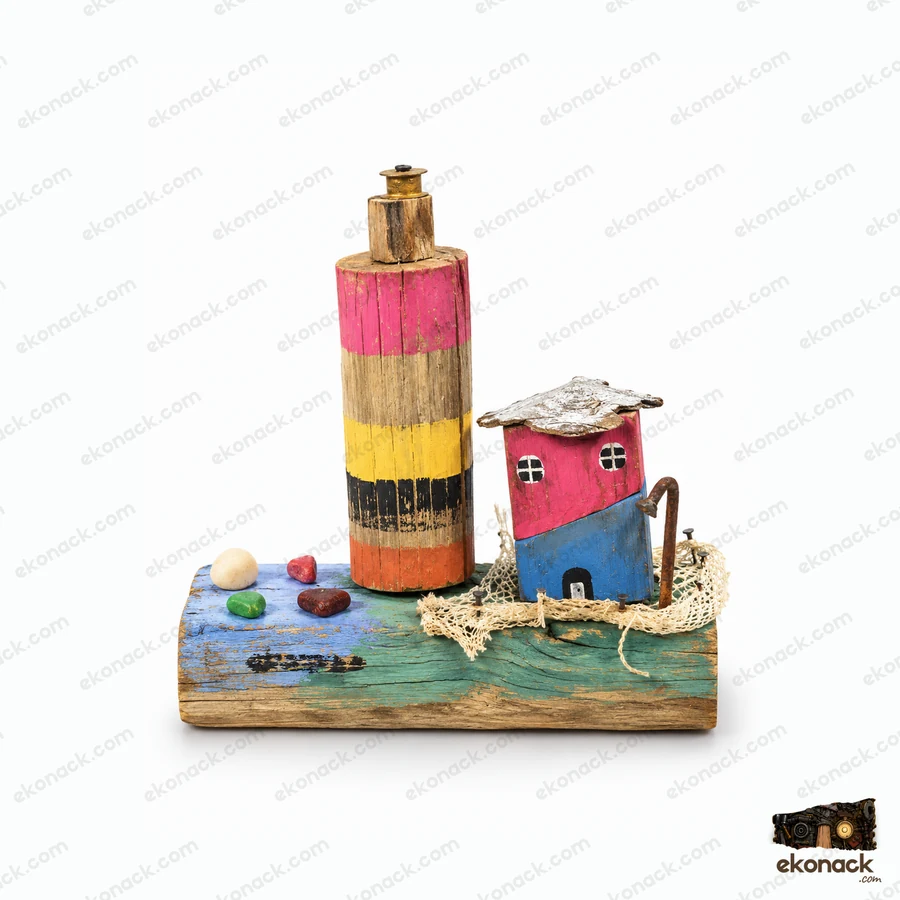
Yeshika's creation feels like a tiny island with a life of its own. The blue of the sea and the green of the land blend gently into one another, giving the whole scene a lovely sense of place, as though the island has slowly grown out of the shoreline. Beside the tall striped lighthouse stands a two-storey island house, full of character, with its pink and blue walls and a roof that leans like it has weathered many seaside days. Around it, the fishing-net fence adds another layer of story, suggesting a home shaped by coastal life. Even the coloured stones placed nearby feel like small details collected with care. What stands out most is how naturally Yeshika brings colour, land, sea and shelter together. She hasn't only made a structure. She has created an island that feels ready to tell many stories.
The Science Inside
Coastal Science meets Architecture & Art: Yeshika's blue sea blending into green land opens a conversation about coastal ecosystems, where water and land meet. Her tall lighthouse introduces how light travels and why elevated lights are easier to see from a distance. The two-storey house explores balance, gravity and structural stability, while the fishing-net fence invites curiosity about different materials and how they withstand wind, water and weather. Together, her choices connect environmental science, engineering and artistic imagination in one colourful island.

Fellow Knick
A Village That Makes Room for Everyone
Aaradhya · Tiny Coastal Village
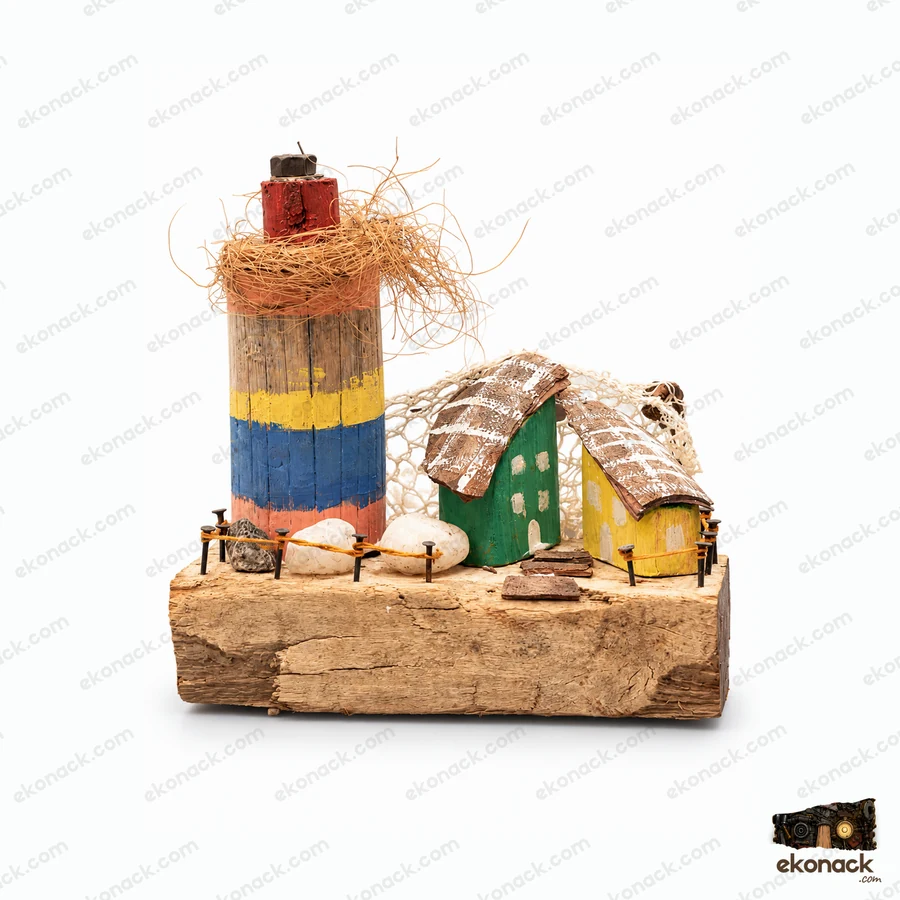
Aaradhya's little coastal village holds a lovely detail. Her houses don't simply look out towards the sea. They face one another too, as though the neighbours are part of each other's world. And at the very top of her lighthouse, among the tangled natural fibres, sits a nest, a place for birds to rest and raise their young. Even the smallest creatures have a place in this village. In a handful of driftwood, stones and colour, we see an imagination that makes room for both community and nature.
The Science Inside
Ecology meets Engineering: The nest opens a conversation about habitats and how structures can support other living things. The lighthouse introduces height and stability, while the placement of houses explores spatial planning and the relationship between neighbouring buildings. One miniature village, several thoughtful design possibilities.

Fellow Knick
Where the Lighthouse Feels Like Home
Unnati D · Tiny Coastal Village
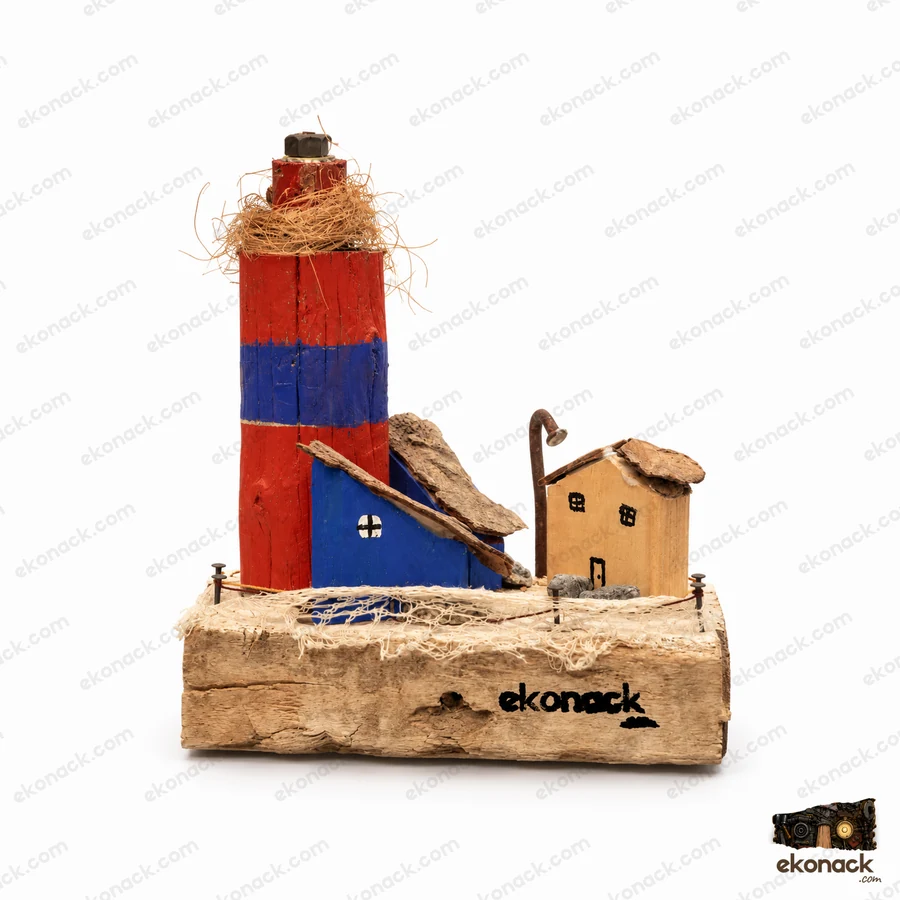
Unnati's coastal village has a beautiful sense of togetherness. A little blue house rests against the tall red-and-blue lighthouse, while another home stands nearby, connected by a shared stretch of white sand. The lighthouse rises above them, with natural fibres gathered around its top, while a tiny curved lamp stands between the houses. Look closely, and even the uneven bark roofs and little stones find their place in the neighbourhood. What stands out is how she has brought everything close together. Rather than imagining a lonely lighthouse overlooking the sea, Unnati has created a little community where the lighthouse itself feels like home.
The Science Inside
Community Planning meets Coastal Engineering: Unnati's arrangement of closely grouped buildings introduces spatial planning and how structures share limited space. Her tall lighthouse invites questions about height, stability and the visibility of coastal landmarks. The white shoreline and textured bark roofs also open conversations about coastal environments, natural materials and how buildings can be designed to belong within a landscape.
Fellow Knick
A Lighthouse Above, a Sea Below
Deveshi · Tiny Coastal Village
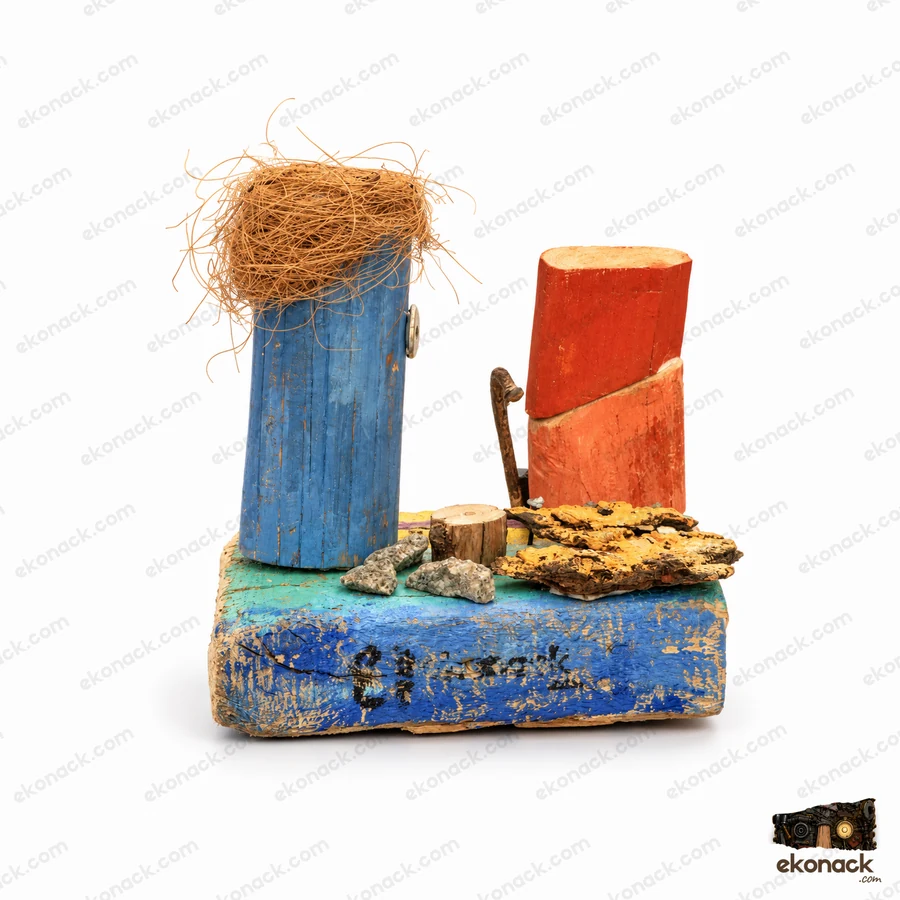
Deveshi's creation invites us to explore two worlds at once. Above the sea stands a blue lighthouse crowned with a bird's nest, while nearby, a colourful apartment building blends its doors and windows into its own painted walls. Look closer, and another world begins to appear. She has brought the sea into the very front of her creation, with pieces of tree bark becoming corals beneath the water. Along the shore, sunlight meets the sand, transforming it into a beautiful yellowish-gold stretch of coastline. What catches our attention is how thoughtfully she brings everything together. From the underwater world to the sunlit shore, from the buildings to the birds above, her choices of colour and natural materials give every element a place in one connected landscape.
The Science Inside
Light, Ecology & Architectural Design: Deveshi's golden shoreline introduces how sunlight interacts with surfaces, creating reflections and changing the colours we perceive. Her bark corals invite curiosity about underwater habitats, while the apartment's colour-matched doors and windows explore visual unity in architecture. The arrangement of sea, shore and structures brings together observation of nature, material exploration and artistic design.

Fellow Knick
The Woven Fence
Aashwi A · Driftwood Miniatures: Build Your Own Little World
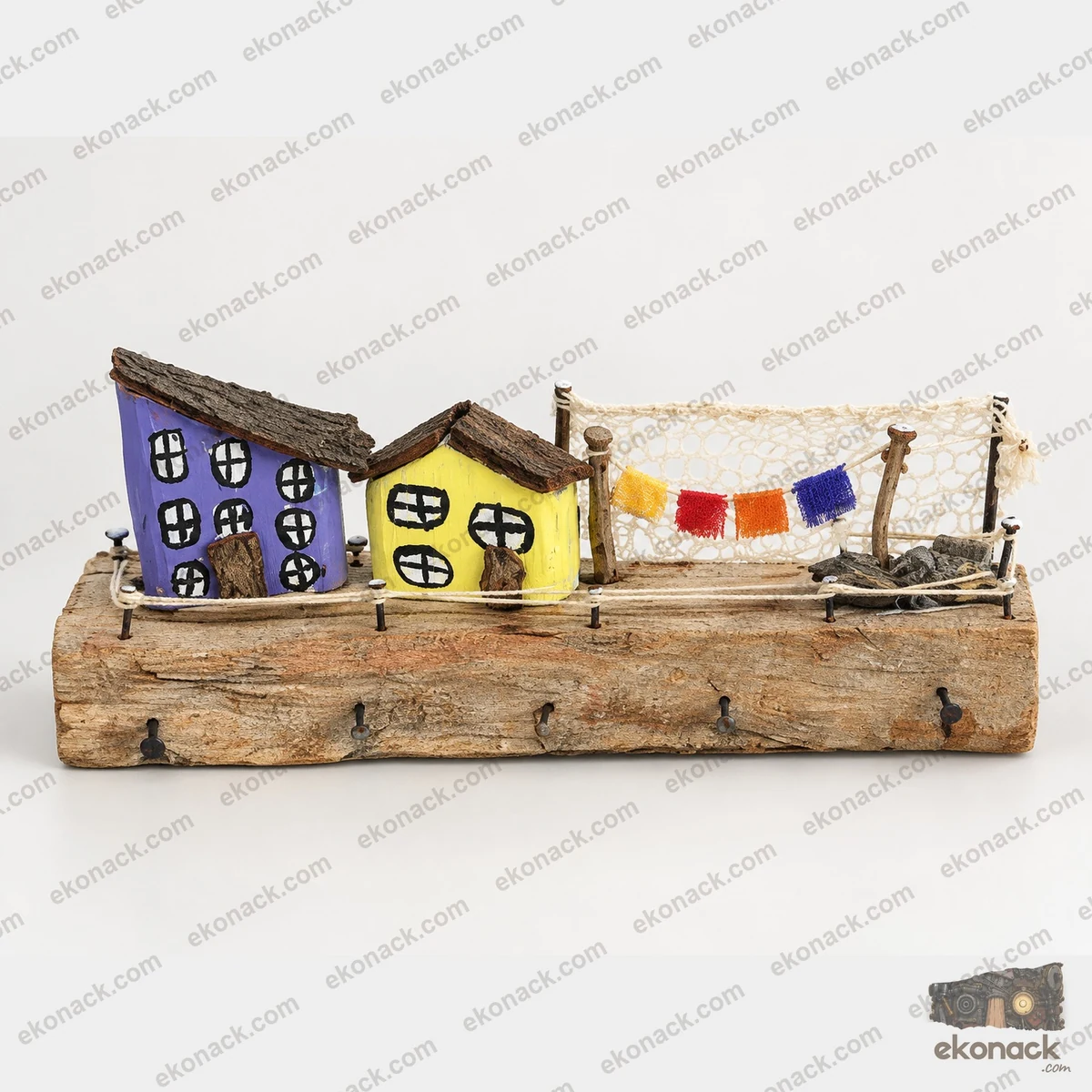
Aashwi didn't reach for wire or string when her houses needed a fence. She reached for a piece of crocheted lace: delicate, full of tiny holes, nothing like the sturdy materials a fence usually needs, and decided it could hold a garden together just as well. Then she strung small fabric flags along it, so the boundary between her yellow house and her blue house became something worth looking at, not just something that marked an edge. That's a soft material doing a hard job, on purpose. It takes real imagination to look at lace and see a fence, and real care to dress that fence up once you've built it.
The Science Inside
Materials science: lace has no rigidity at all, yet she trusted it to hold a boundary, recognizing that flexible materials can still do structural work.

Fellow Knick
The Kept Flame
Sana · Driftwood Miniatures: Build Your Own Little World
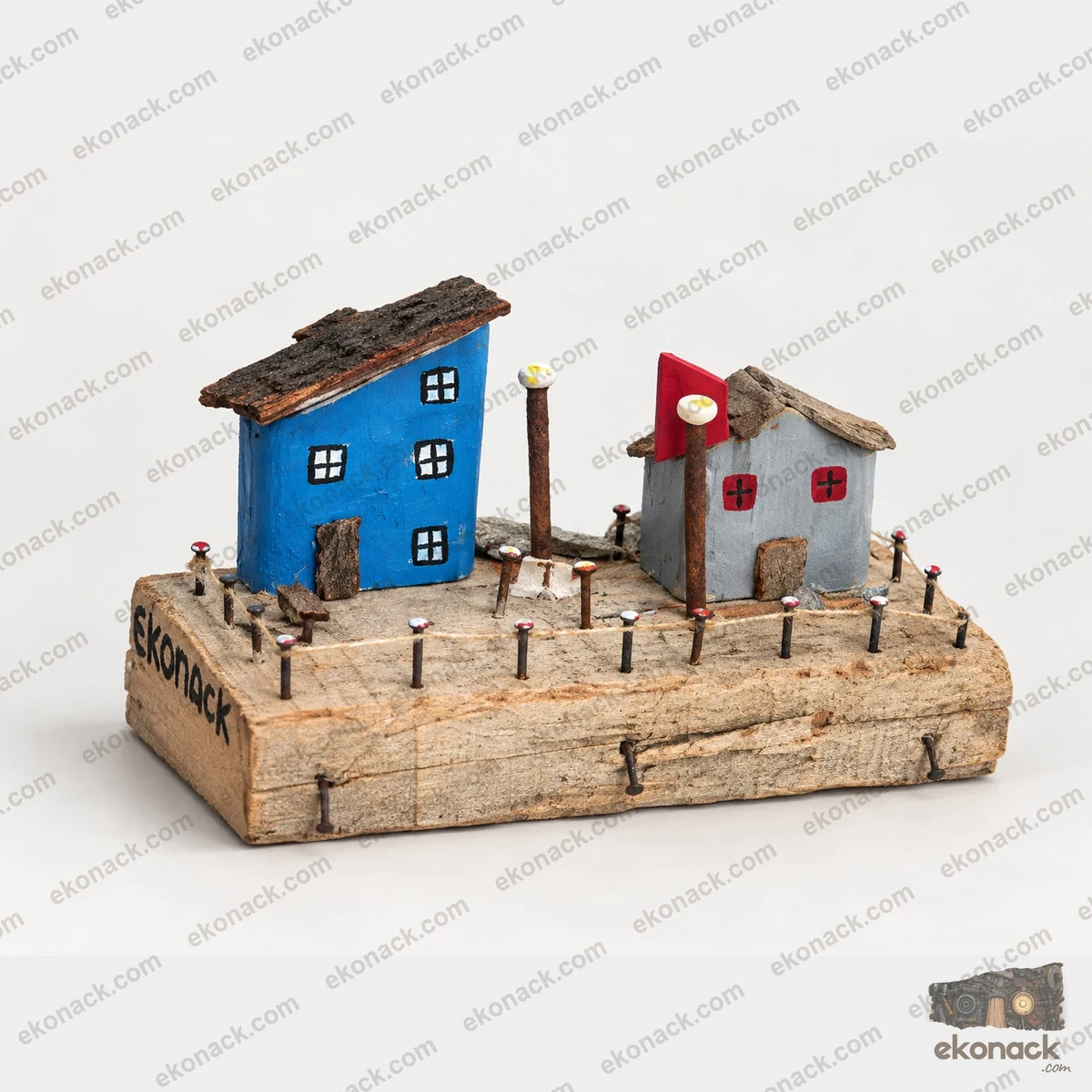
Sana gave her house a chimney before she gave it a color, and a flag before she gave it a fence. A single bent nail rises straight up from the blue block, placed exactly where smoke would need to go if a fire were burning inside, and right beside it, a tiny flag stands at attention, like this house wanted to be found from a distance. She wasn't just assembling pieces, she was already picturing someone living there, keeping warm, wanting to be seen. It takes a patient, caring eye to give a house both a way to breathe and a way to be noticed.
The Science Inside
Engineering + Technology: a chimney exists to vent what a sealed space can't hold, and a flag is the simplest signaling technology there is. Both are 'systems', not decoration.
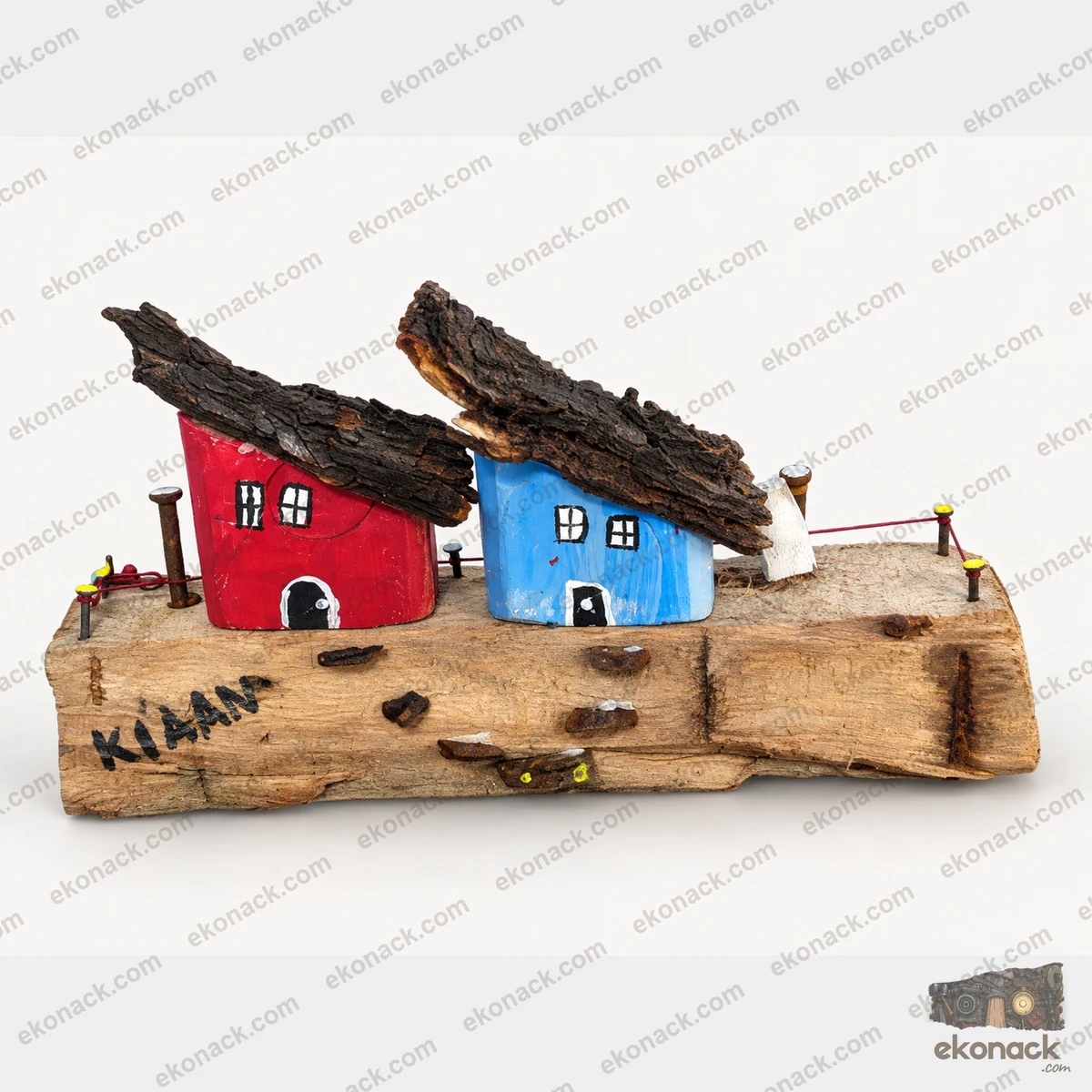

Fellow Knack
The Bridge Between
Kiaansh P · Driftwood Miniatures: Build Your Own Little World
Kiaan didn't paint over everything. He picked a piece of wood with real, visible grain running across its rounded top, and instead of covering that grain in color, he let it stay bare, painting a deep red around it but stopping right where the wood's own pattern took over. Then, instead of giving each house its own separate roof, he found a single curved branch long enough to arch clean over both, joining his red house and his blue house under one shared canopy, as if he'd decided from the start this was one home with two rooms, not two houses standing apart. It takes a patient eye to protect a bit of bare wood grain, and an even bigger one to look at two separate houses and see the bridge between them.
The Science Inside
Engineering (structural): an arch is one of the strongest shapes there is, spreading weight along a curve instead of a single flat span. He built a real bridge, at dollhouse scale.
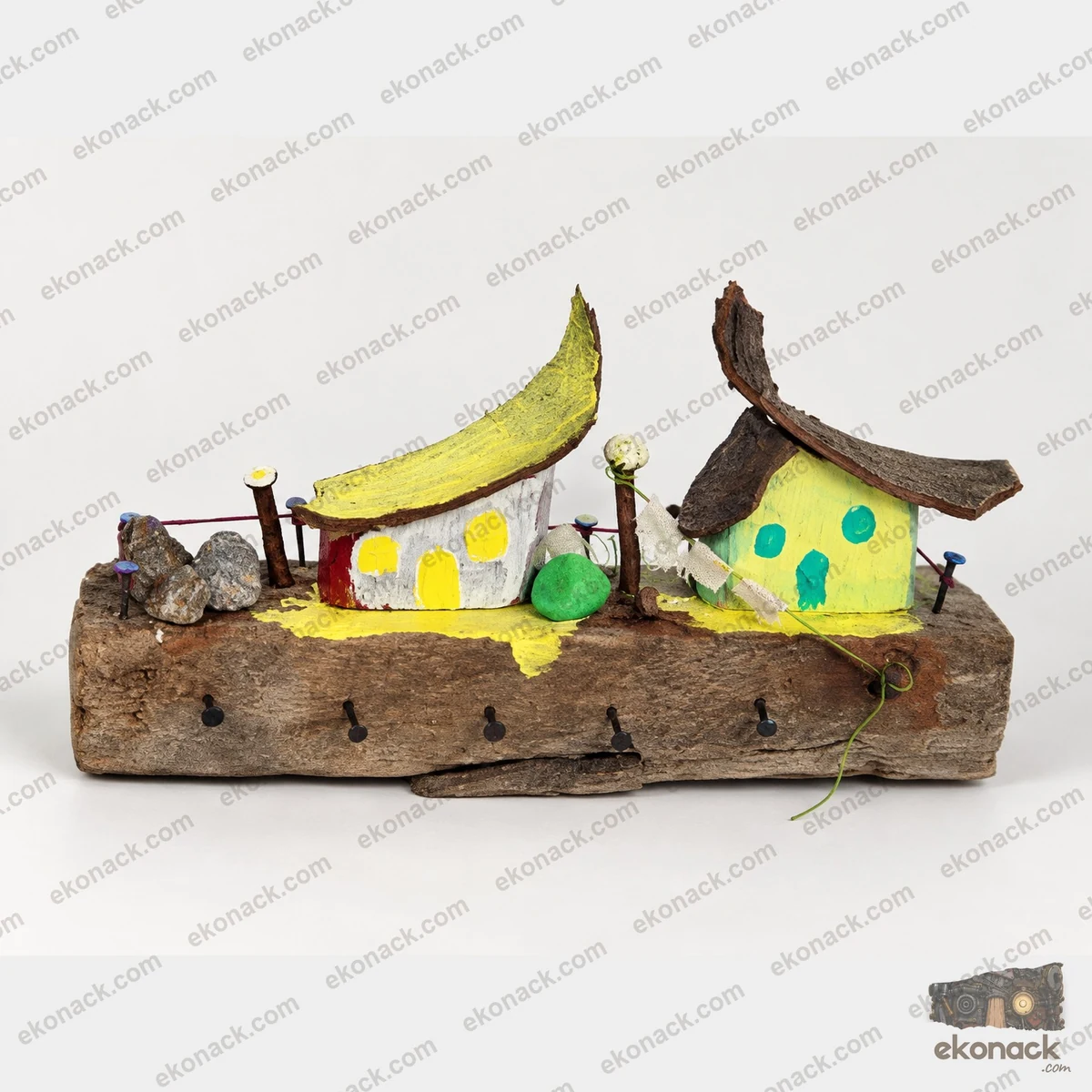

Fellow Knack
The Lit Window
Swaraj S · Driftwood Miniatures: Build Your Own Little World
Before he ever mixed a color, Swaraj built himself a palette, a spare block set aside purely for mixing, so his teal and white and orange met each other before they ever touched the house. But the detail that says the most sits on the ground in front of his white house: a pool of yellow spilling out from the base of the window, exactly where the glow would land if a lamp were lit inside on a dark night. He wasn't just painting a house. He was imagining himself living inside it, and asking what it would look like from the outside once the sun went down. That's real physics intuition: light doesn't just sit in a window, it spills, it pools, it fades the further it travels, and he placed that glow precisely, right below the window it would have come from. Science, art, and a felt sense of home, all in one small smear of yellow paint.
The Science Inside
Science (physics of light): light spills and fades with distance from its source; he placed the glow exactly where that fall-off would land.
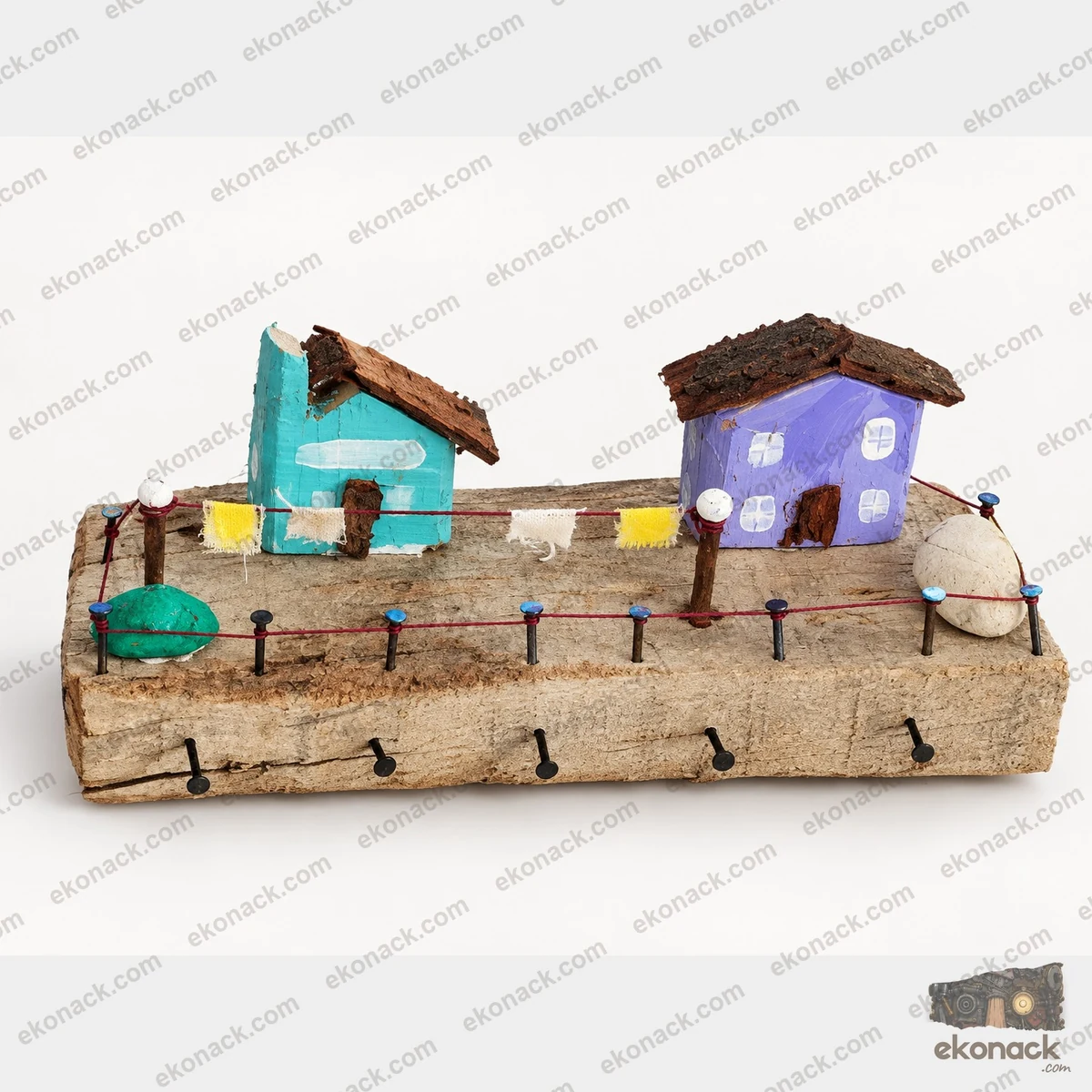
Fellow Knack
The Compass Keeper
Nipun N · Driftwood Miniatures: Build Your Own Little World
Nipun didn't stop at building a house. He gave it a whole property. Where the driftwood plank could have just held two homes side by side, he ran a fence the entire length of it, turning ordinary nails into fence posts. That's a bigger act of imagination than it looks: he wasn't only picturing a house, he was picturing the boundary around it, where 'this is ours' begins. And right at the gate, a single nail topped with a white bead becomes a mailbox, a small detail that says he was thinking about who visits, and how word reaches the people inside. He builds worlds with edges and entrances, not just walls.
The Science Inside
Math (geometry): a fence is a drawn boundary made physical (post, line, post, line), the same logic as plotting a perimeter.

Fellow Knick
The Steady Tide
Thanvika M · Driftwood Miniatures: Build Your Own Little World
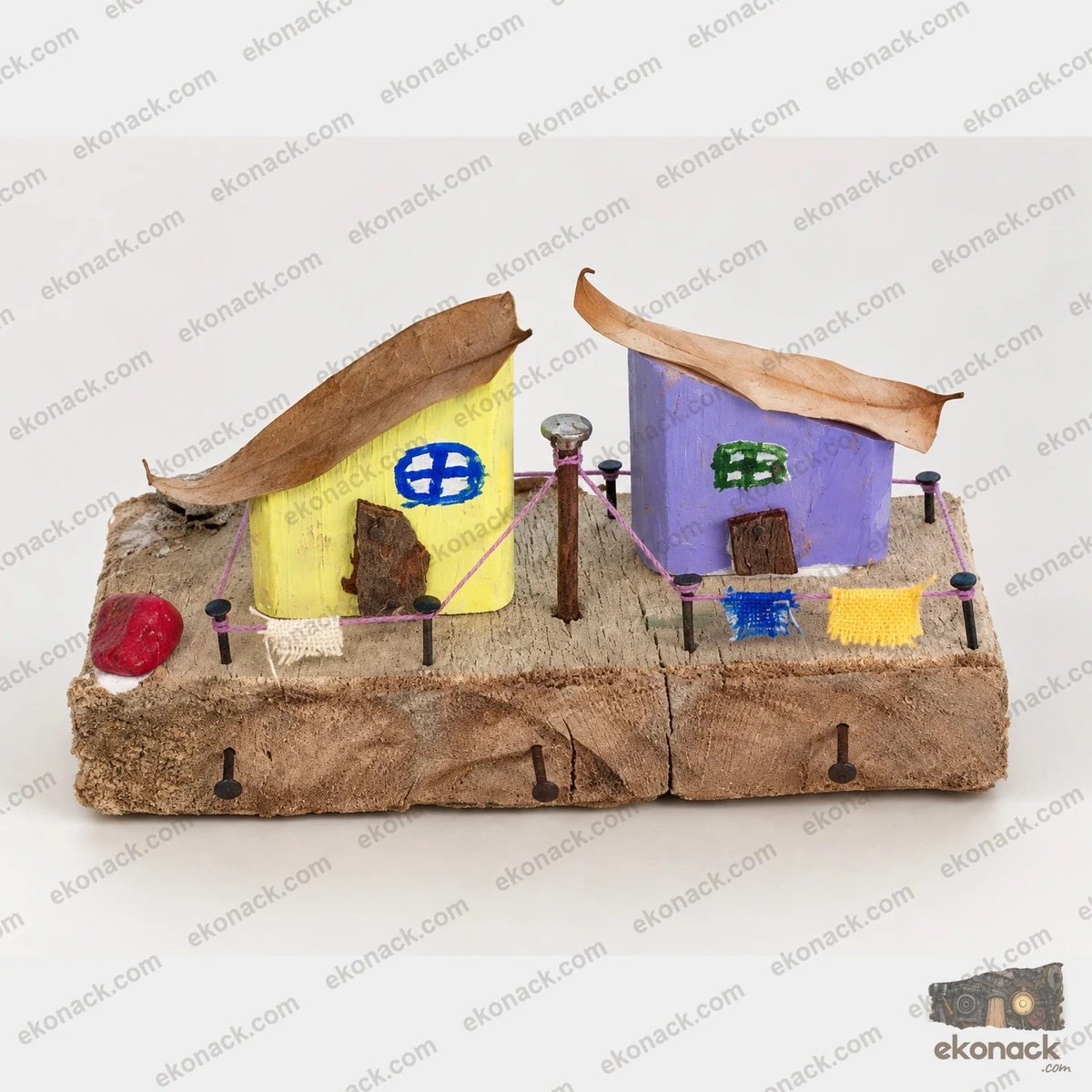
Thanvika didn't just build a house. She built a home. For the roof, she picked up a single curled, dried leaf and turned it into a sloping roof, its natural curve already doing the work rain would need, its ridges catching the light like real shingles. That's not an accident; that's someone testing an idea in her hands before she ever committed to it: could this bend become a roofline? And then, between raising her two little driftwood houses, she still found room for one more detail: a tiny clothesline strung between them, with little squares of laundry hung out to dry. She wasn't just finishing a craft; she was picturing who lived there, and what their afternoon looked like. It takes a patient, imaginative eye to see a roof inside a leaf, and a home inside a plank of wood.
The Science Inside
Engineering (biomimicry): a curved leaf naturally sheds water the same way an engineered sloped roof does. She borrowed a solution nature already invented.